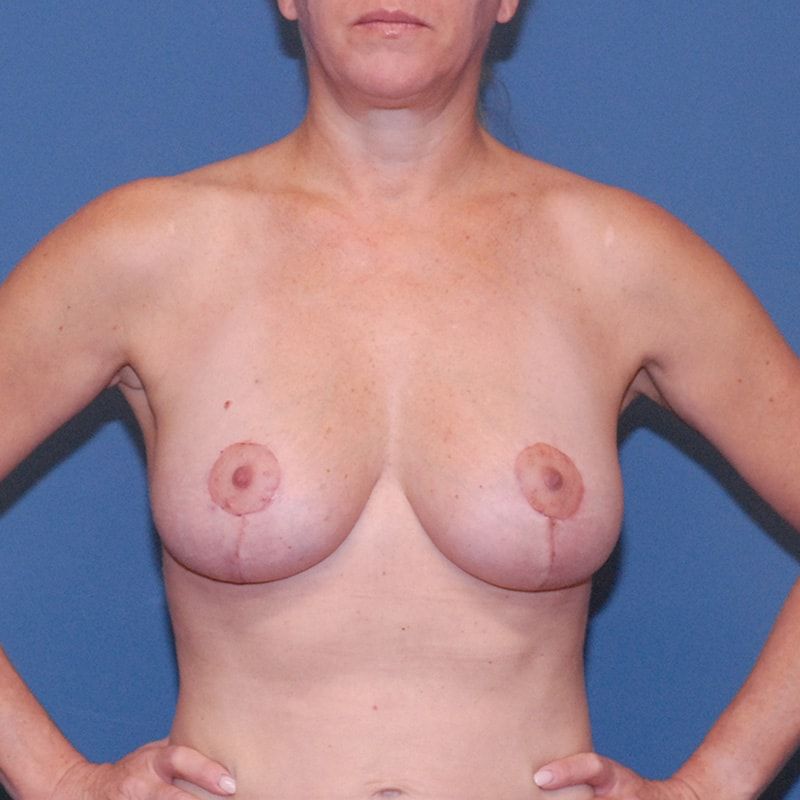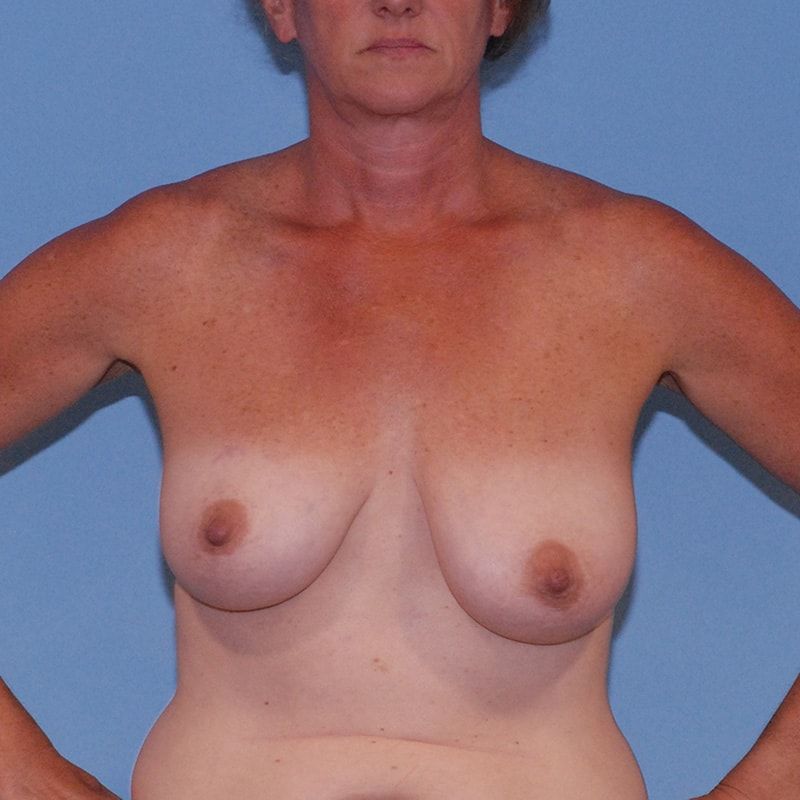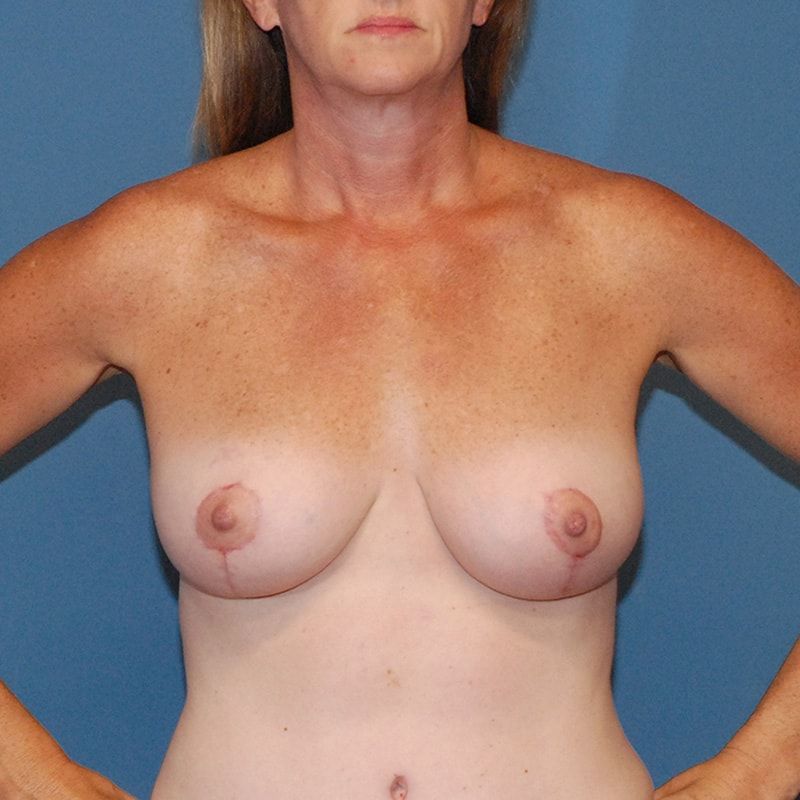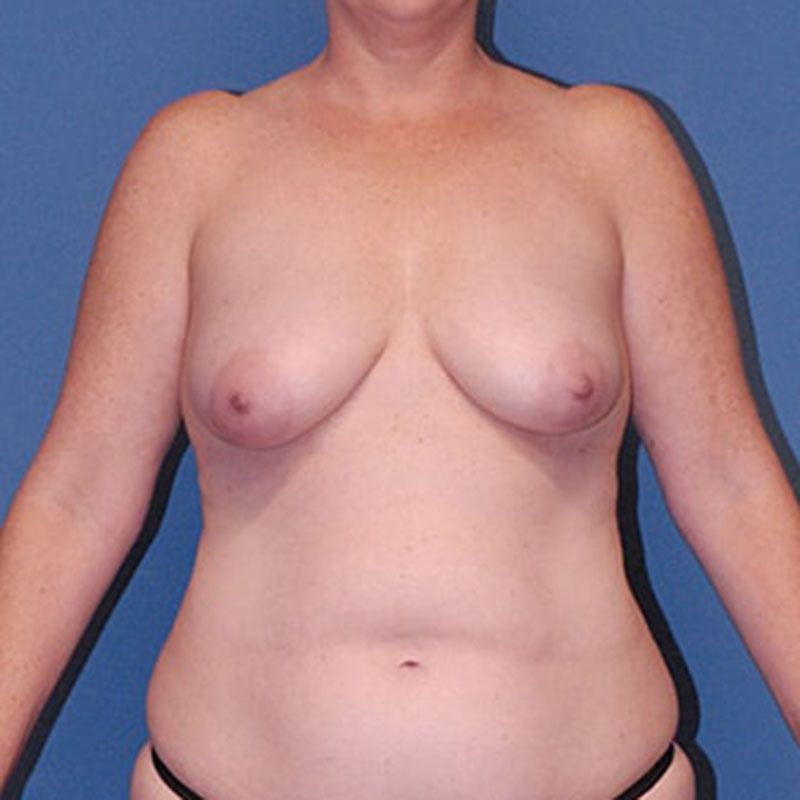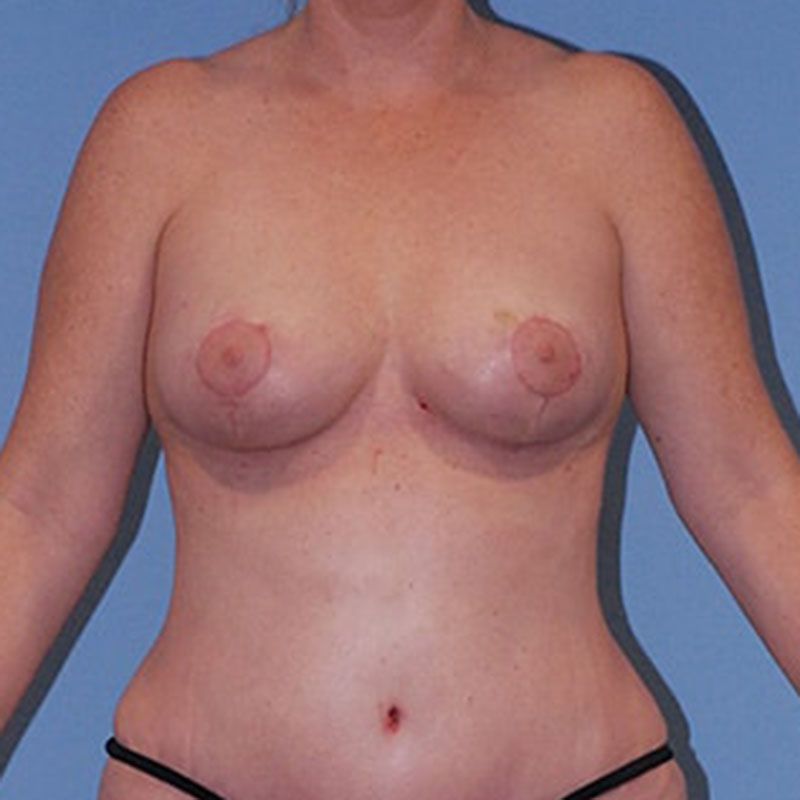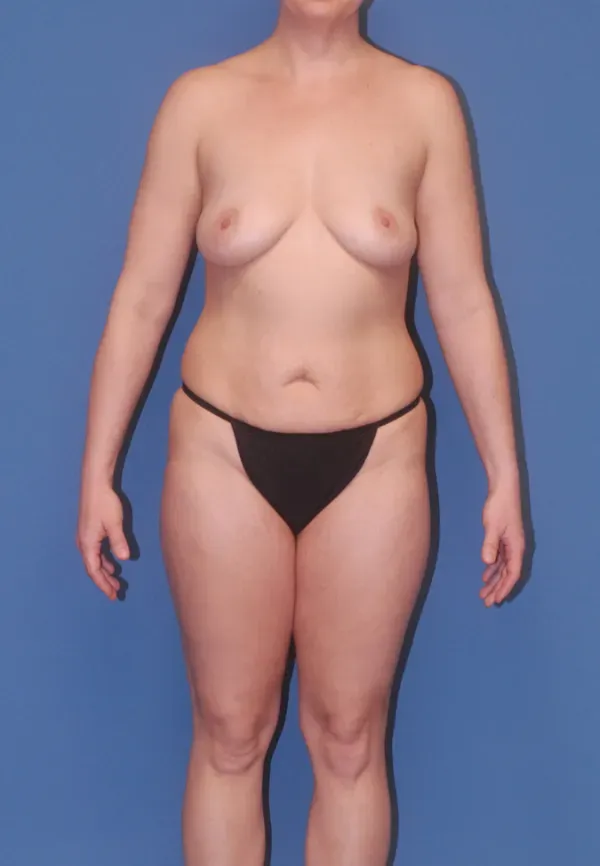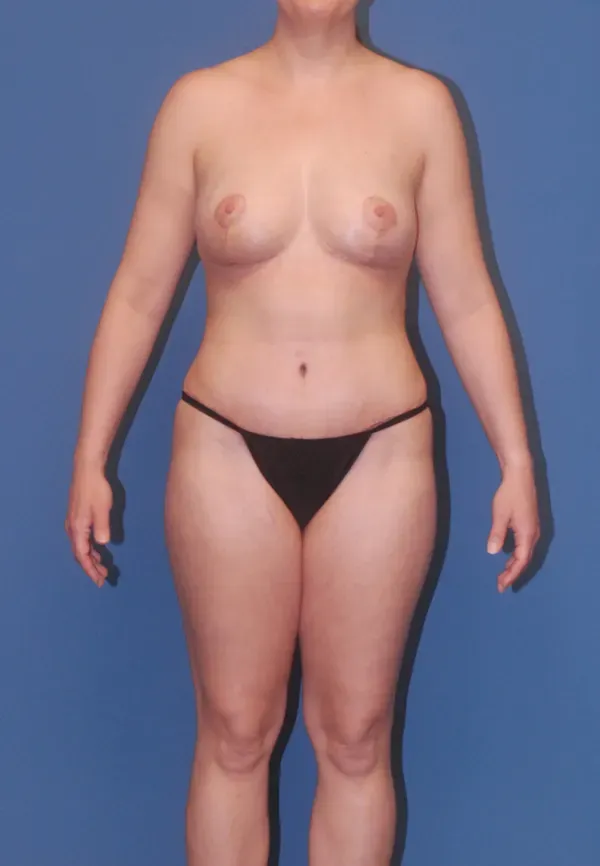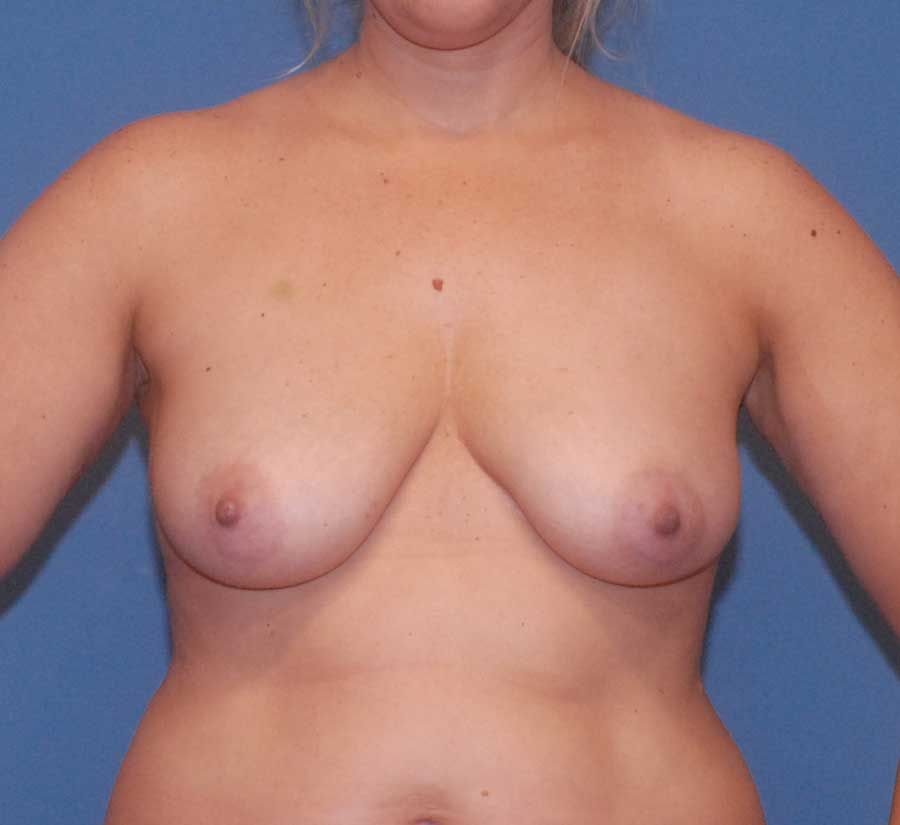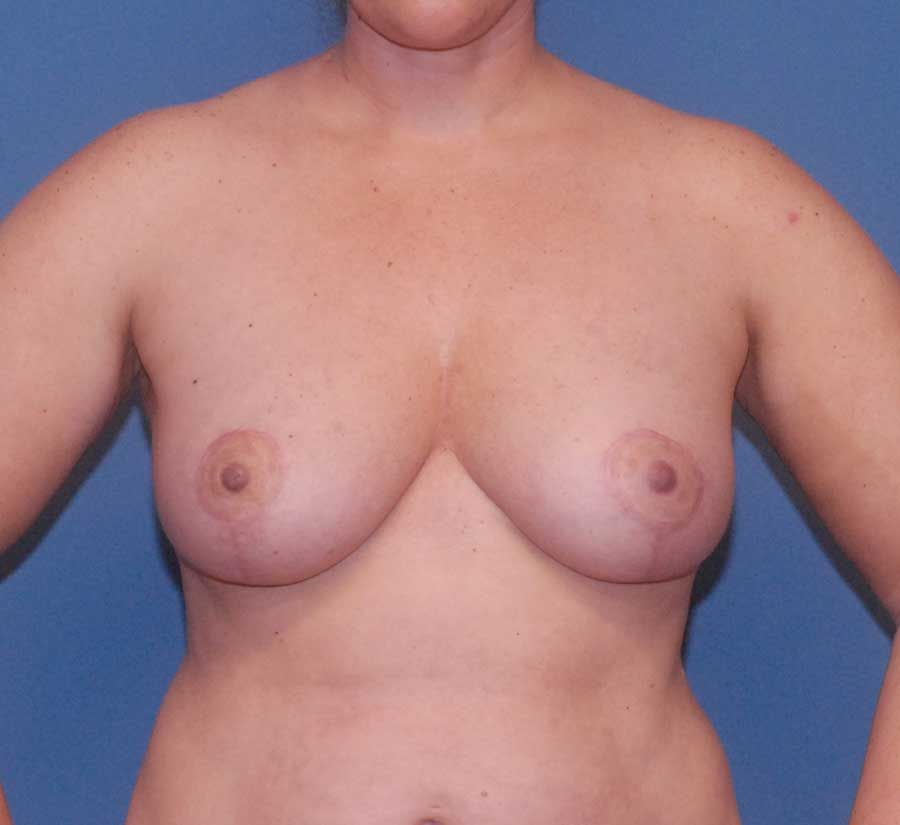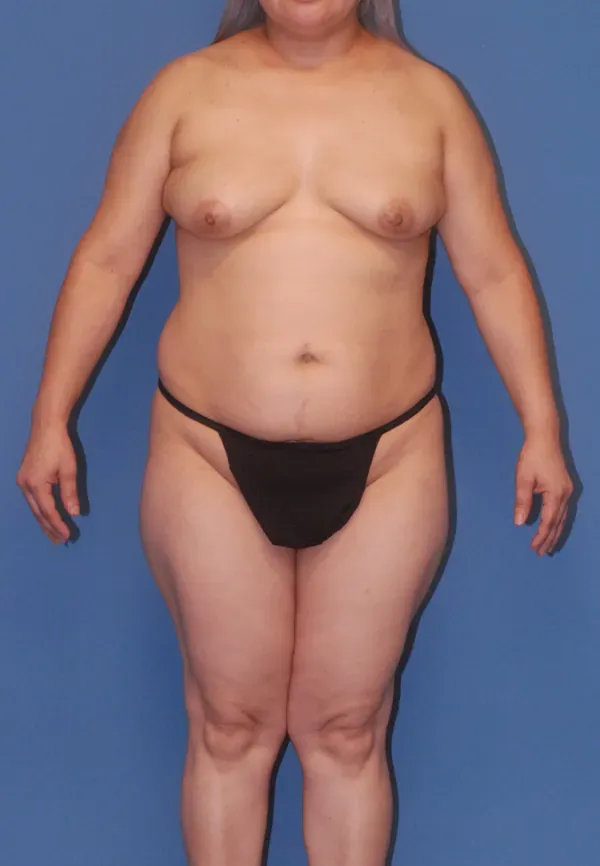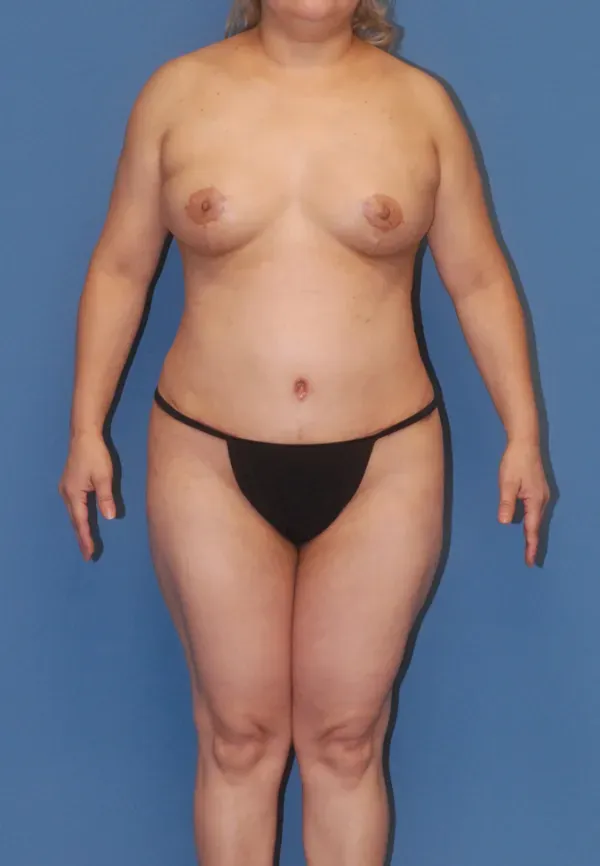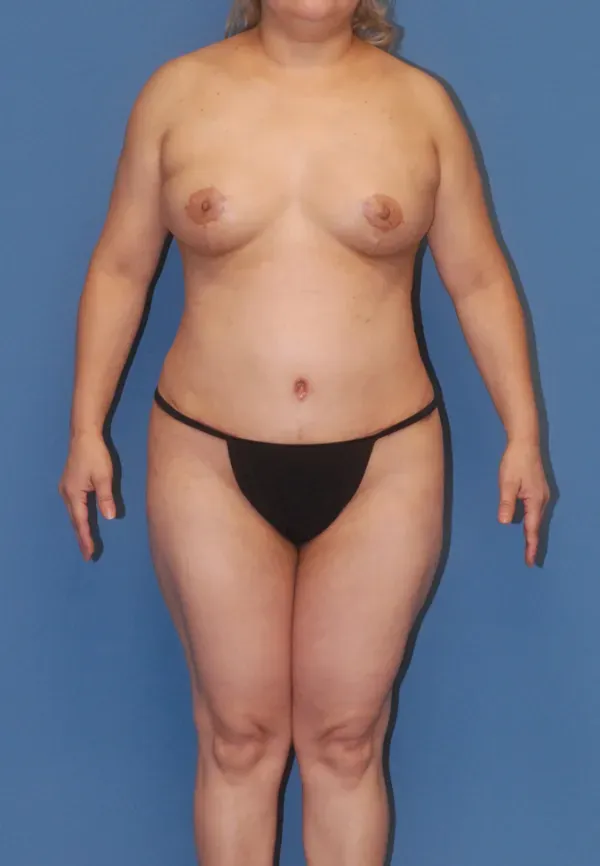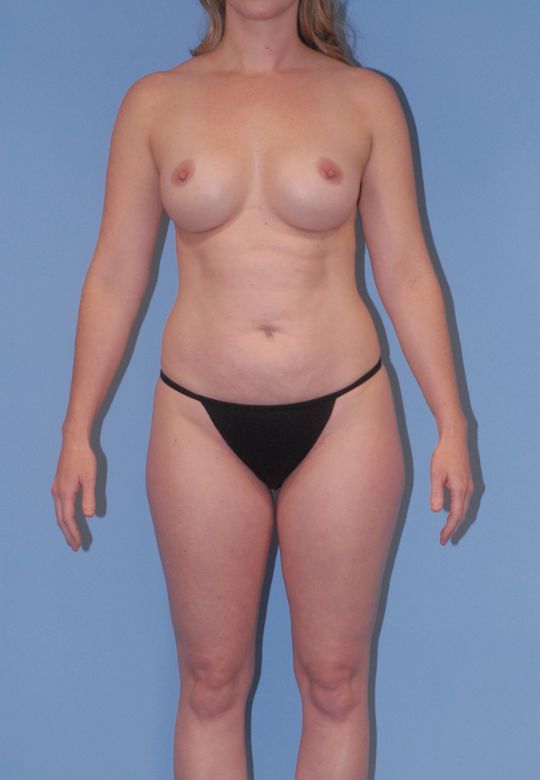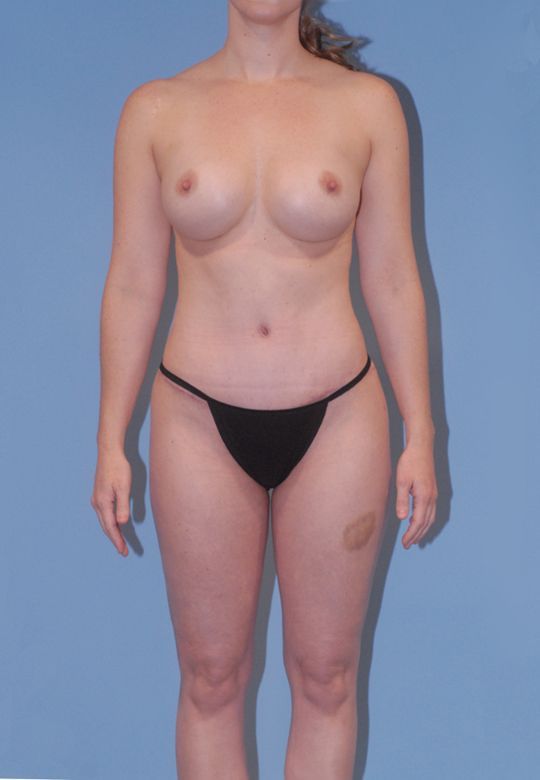
Changing your body is a big decision. For breast enhancement, a major question is whether to use a medical device or your own tissue. Both work well, but they address different needs. Your body, lifestyle, and goals will help determine the best option.
Dr. Paul Fortes views the body as a whole. He avoids a one-size-fits-all approach because everyone is different. Some people have enough extra fat for a transfer, while others need the support of an implant to achieve their desired look.
| Feature | Fat Transfer Breast Augmentation | Breast Implants |
|---|---|---|
| Primary Goal | Soft, subtle fullness and contouring | Defined volume and a specific shape |
| Material | Your own purified fat cells | Silicone gel or saline implants |
| Typical Gain | About one cup size | Multiple sizes and significant projection |
| Donor Site | Requires a "harvest" area (lipo) | No donor area needed |
| Longevity | Permanent once the fat survives | 10 to 20 years; requires a device update |
| Feel | Exactly like natural breast tissue | Firm and perfected; mimics tissue |
1 of 9
If you have stubborn fat on your stomach, hips, or thighs and want a modest boost in breast fullness, fat transfer could be a good option. It lets you slim a problem area with liposuction and use that fat to enhance your chest. For the right person, it’s a double benefit.
If you want a big change in breast size, implants are the most reliable choice. They offer more projection and a consistent shape that fat transfer can’t provide. This is especially true for very thin people who don’t have enough body fat for a transfer. If you want noticeable volume, implants are the way to go.
Fat transfer breast augmentation—often called autologous fat grafting—is a two-part surgical procedure. Dr. Fortes starts by harvesting fat from a donor site like the abdomen or thighs. The harvested fat is then purified in a lab-grade centrifuge to separate the healthy fat cells from other fluids.
Next, Dr. Fortes carefully injects the fat cells into the breast tissue. There are no cuts on the breast itself, just small marks where the fat is added.
There is a limit to how much volume you can gain. Most people see about a one-cup increase in breast size. If you want to go from an A cup to a D cup, fat transfer isn’t enough. Usually, about 70% of the injected fat stays permanently, while the rest is absorbed by the body. This is why Dr. Fortes often "overfills" slightly during the procedure, knowing the volume will settle over the first few months.
Fat necrosis happens when small, firm spots of fat do not survive. These spots are harmless but can sometimes appear on a mammogram. Always let your radiologist know if you have had a fat transfer so they can use the right imaging methods. This helps make breast cancer screening clearer and avoids unnecessary biopsies.
Breast implants are still the top choice for people looking for a major change. Whether you choose saline or silicone implants, the results are immediate. Implants offer more control over the outcome than fat grafting.
The biggest benefit of breast implants is predictability. You can choose the exact size you want, measured in CCs, to shape your breasts as you like. Implants also help correct uneven breasts and add noticeable projection.
Dr. Fortes will help you choose between subglandular placement (above the muscle) and submuscular placement (under the pectoral muscle) based on your existing breast tissue and the thickness of your chest muscles. For most patients, going under the muscle provides a more natural-looking slope and better long-term support.
Most of Dr. Fortes' patients choose gummy bear implants, which are made of highly cohesive silicone gel. These implants keep their shape even if the shell breaks, and they feel similar to natural breast tissue while giving a youthful shape.
Breast implants last a long time, but they are not permanent. You will likely need another surgery every 10 to 20 years to replace the implant or adjust for changes in your body. The most common long-term issue is capsular contracture, when scar tissue around the implant becomes firm or tight.
Dr. Fortes is upfront about risks such as implant rupture or the rare chance of BIA-ALCL. He puts your immune health first and gives clear information about breast implant illness (BII). Your safety always comes first.
Recovery is different for each option because they affect the body in different ways.
Fat transfer involves two different areas of the body. You’re healing from the liposuction on your stomach or thighs and the injections in your breasts.
Breast augmentation with implants usually means a shorter recovery at first, since only one area of the body is involved.
Sometimes, the best results come from combining both methods. Dr. Fortes may use a small implant for structure and add fat to soften the edges. This works well for very thin patients who want larger breasts without a fake look or visible implant edges.
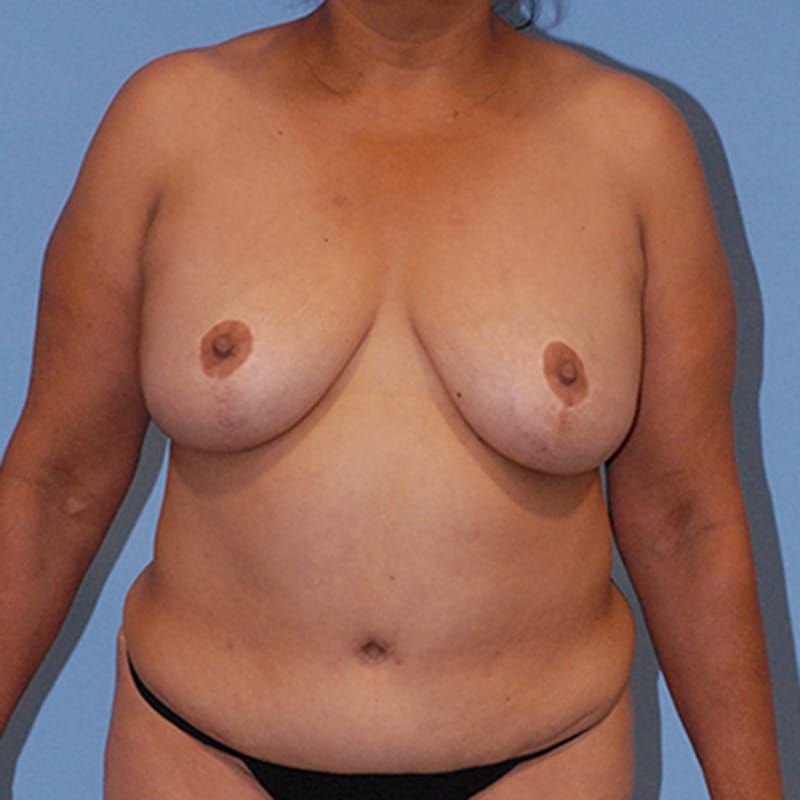
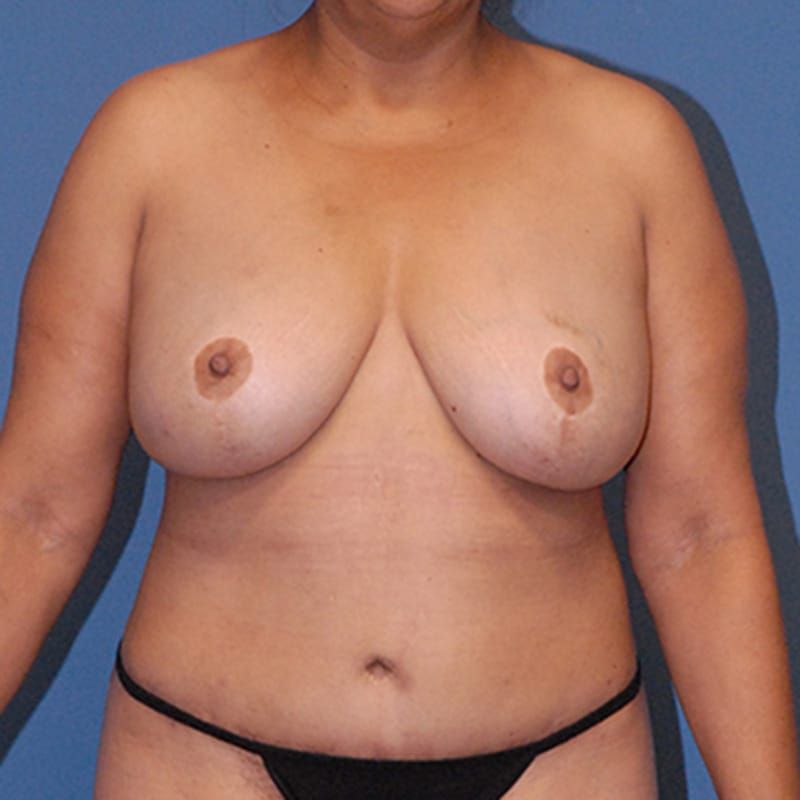
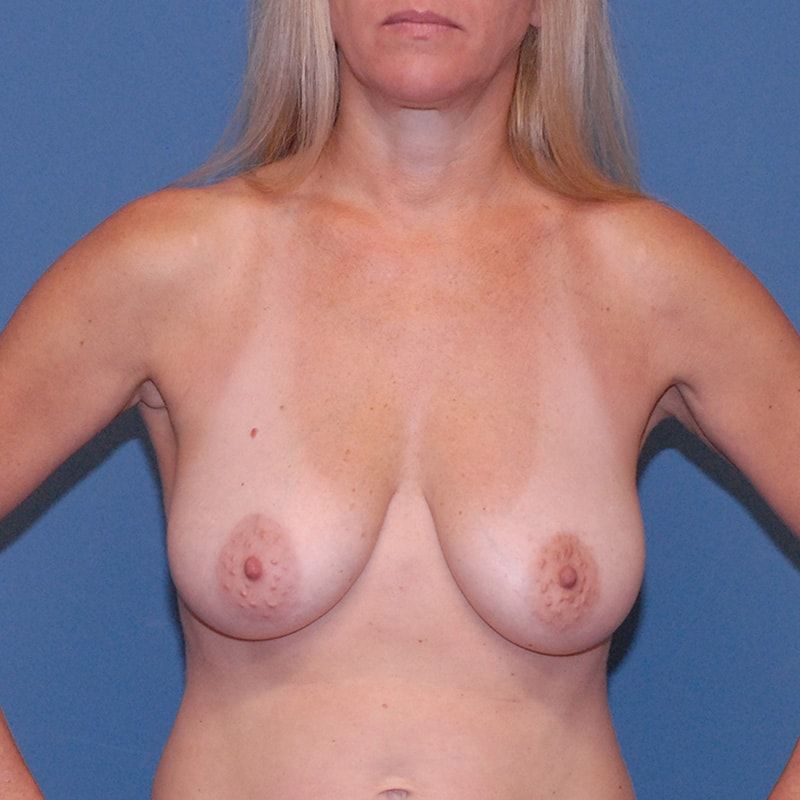
For patients with significant sagging, volume alone won't help. You will need a breast lift. If you just add an implant or fat to a sagging breast, you end up with more volume, but it’s still sagging—this is often called the "snoopy" look. A lift moves the glandular tissue higher on the chest wall before any volume is added. This ensures the nipple is in the right spot and the breast shape is youthful and perky.
A successful surgery begins with a clear plan. Cosmetic surgery is not just about bra size; it’s about how you feel in your clothes and in your own skin. Dr. Fortes creates your plan based on your body fat, skin elasticity, and your personal goals.
"Every patient needs a custom blueprint," Dr. Fortes says. He doesn't believe in a "standardized formula." He looks at your available resources to find the best fit for your life.
For patients in Houston, TX, the process begins with an in-person consultation. Dr. Fortes uses general anesthesia in a high-quality facility to keep you comfortable and safe. He helps turn your vision of yourself into a confident reality.
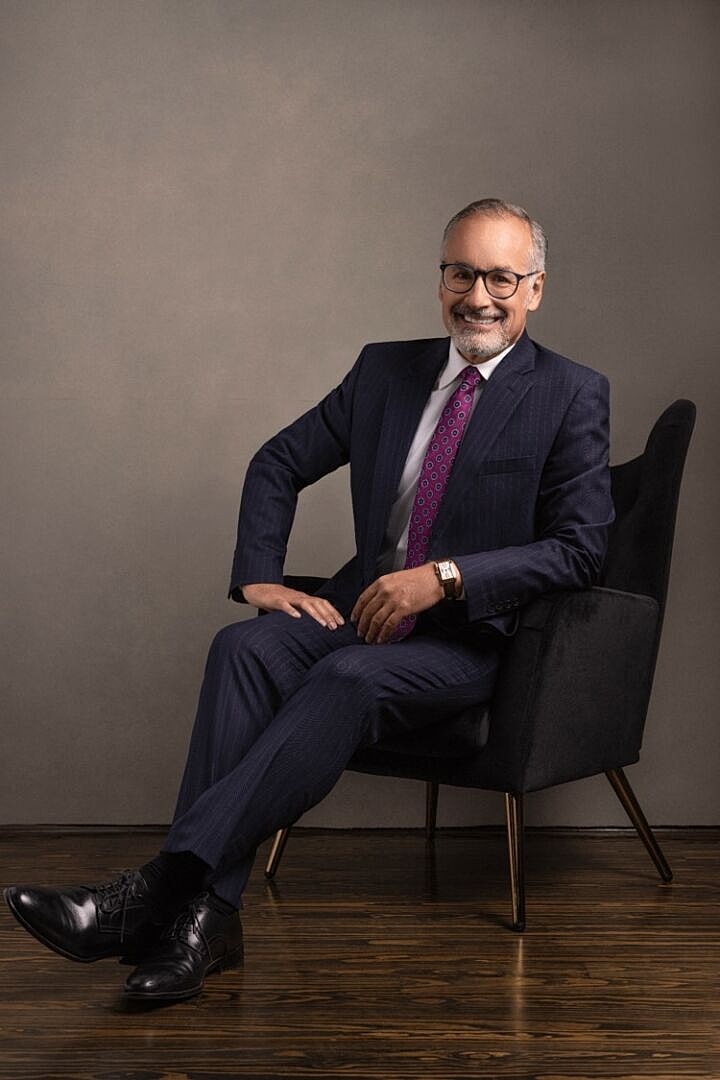
Dr. Paul F. Fortes, a distinguished, dual-board-certified plastic surgeon based in Houston, TX, offers an elite standard of care defined by a rare blend of artistic sensibility and scientific rigor. Dr. Fortes believes superior aesthetic results are never "off the rack," but are meticulously customized and individually crafted to meet each patient’s unique vision. He approaches every procedure with the precision of an artisan, ensuring the safest, most harmonious, and exquisitely detailed outcomes that stand apart from the ordinary.
Trusting your aesthetic goals to Dr. Fortes means placing your care in the hands of a provider with impeccable credentials. A graduate of Rice University (Magna Cum Laude) and an inductee of the exclusive Alpha Omega Alpha Honor Medical Society, he completed an extensive eight-year surgical residency, including three years of specialized plastic surgery training at the prestigious Northwestern Medical Center in Chicago. Recognized for over a decade as a Texas Super Doctor, Dr. Fortes affirms his position as a preeminent leader, solidifying him as THE trusted expert for those seeking truly transformative, beautiful, and enduring results.